
Search
-
 ©
NMAG
©
NMAG
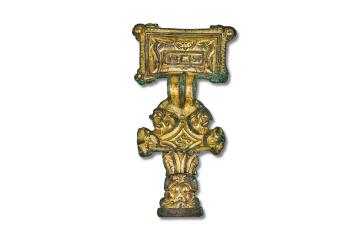
Wakerley brooch
Excavated from a burial in an Anglo-Saxon cemetery, this square headed brooch is unusual in being marked with a runic inscription on the back.
Saxon 500 - 700 CE Roman and Early Medieval
-
 ©
NMAG
©
NMAG
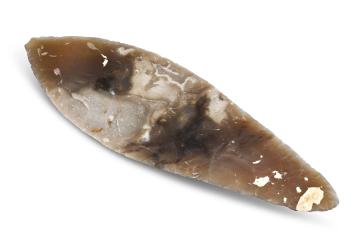
Bronze Age Flint Dagger
This flint dagger was found in a male burial in a barrow along with other grave goods. It had never been used so may have been an ornamental or ritual piece.
Early Bronze Age 3300 - 2100 BCE Geologic to Prehistoric
-
 ©
NMAG
©
NMAG
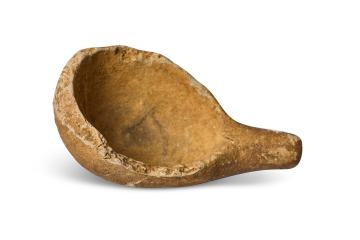
Bronze Age Spoon
A rare Bronze Age Ceramic spoon found in a cremation burial found during excavations in Middleton Cheney.
Bronze Age 1970 - 1740 BCE Geologic to Prehistoric
-
 ©
NMAG
©
NMAG
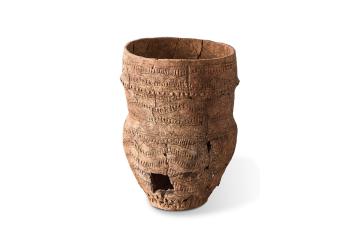
Bronze Age Beaker
HIghly decorated pottery vessel, known as a Beaker pot. Found as part of a male burial marked by a Bronze Age round barrow.
2050 - 1900 BCE Geologic to Prehistoric
-
 ©
The Trustees of the British Museum
©
The Trustees of the British Museum
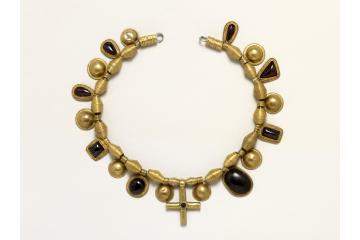
Desborough Necklace
Dating to the late 7th century the Desborough necklace belonged to a high status Anglo-Saxon woman and is likely to be explicity Christian in meaning.
Anglo-Saxon 650 - 700 CE Roman and Early Medieval
-
 ©
NMAG
©
NMAG
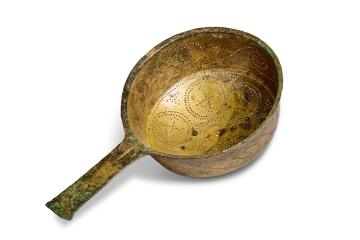
Irchester Bowls
A collection of bronze vessels, known as the Irchester bowls, found in 1874 at the site of Irchester Roman town, near Wellingborough.
Roman 350 - 399 CE Roman and Early Medieval
-
 ©
NMAG
©
NMAG
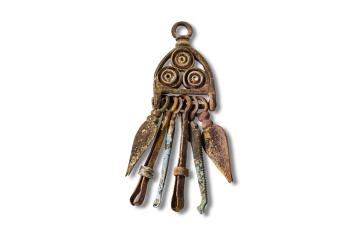
Roman Chatelaine
This astonishingly well preserved example of a chatelaine (collection of personal grooming objects), is a high-status object made to be seen as much as used.
Roman - first century CE Roman and Early Medieval
-
 ©
NMAG
©
NMAG
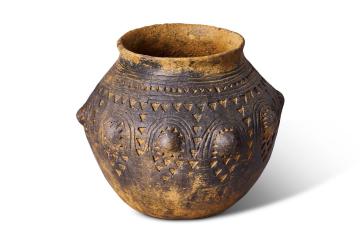
Anglo-Saxon Pot
One of the objects buried with an Anglo-Saxon male in the later 6th century, this beautifully decorated pottery vessel is stamped with triangular indentations.
Anglo-Saxon 550 - 599 CE Roman and Early Medieval
-
 ©
Friends of St. Peter's Marefair Northampton by Rafal
©
Friends of St. Peter's Marefair Northampton by Rafal
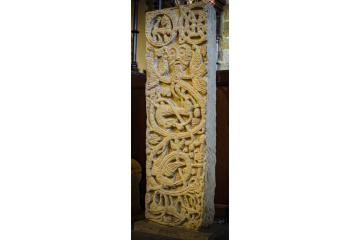
Elaborately carved stone grave slab - St Peters, Marefair, Northampton
This 12th century grave slab is located in the church of St Peter, Marefair in Northampton. It is thought to have been carved by the same sculptors as the beautifully preserved set of Norman capitals (headings of columns) in the church.
1150 Medieval to Tudor