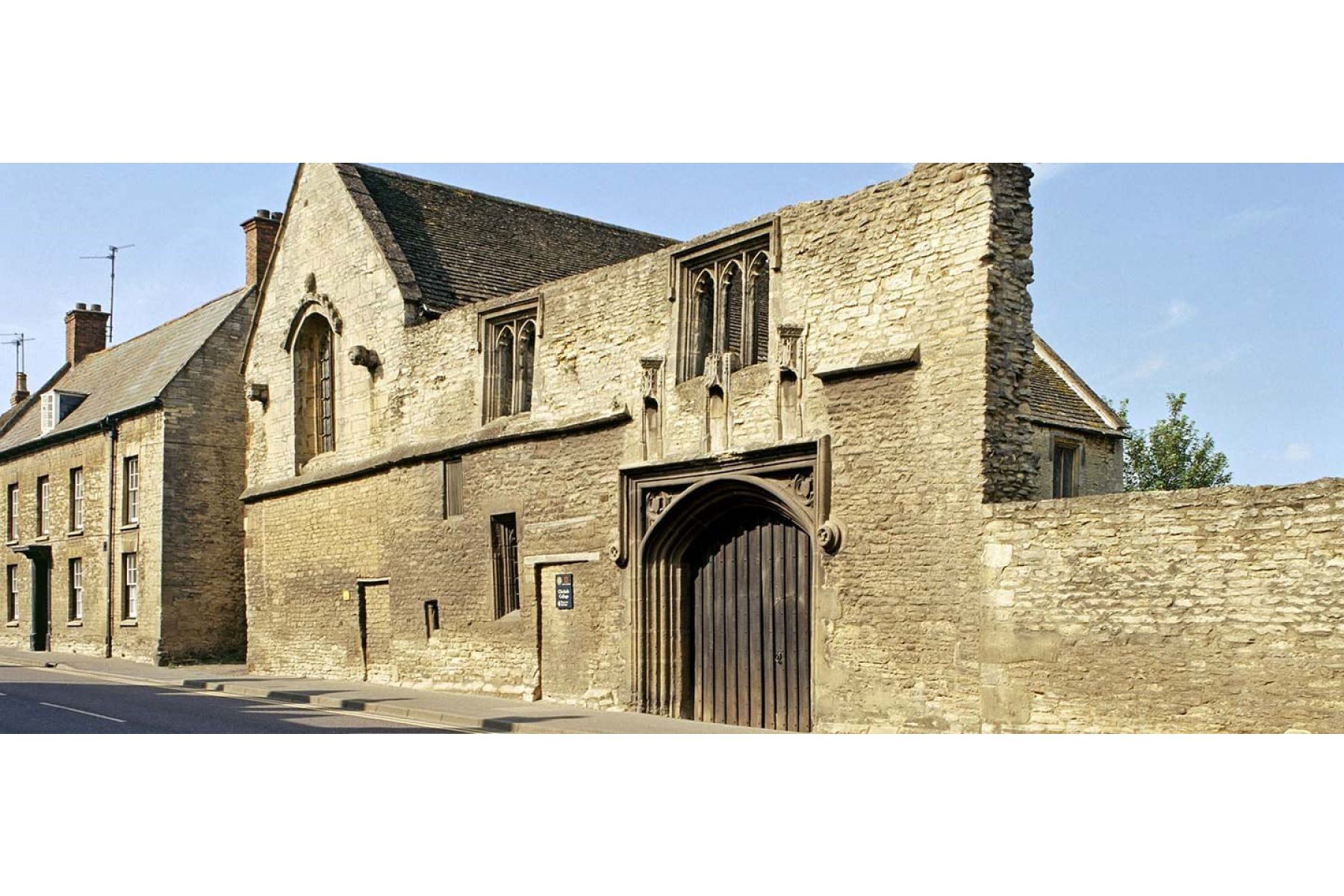
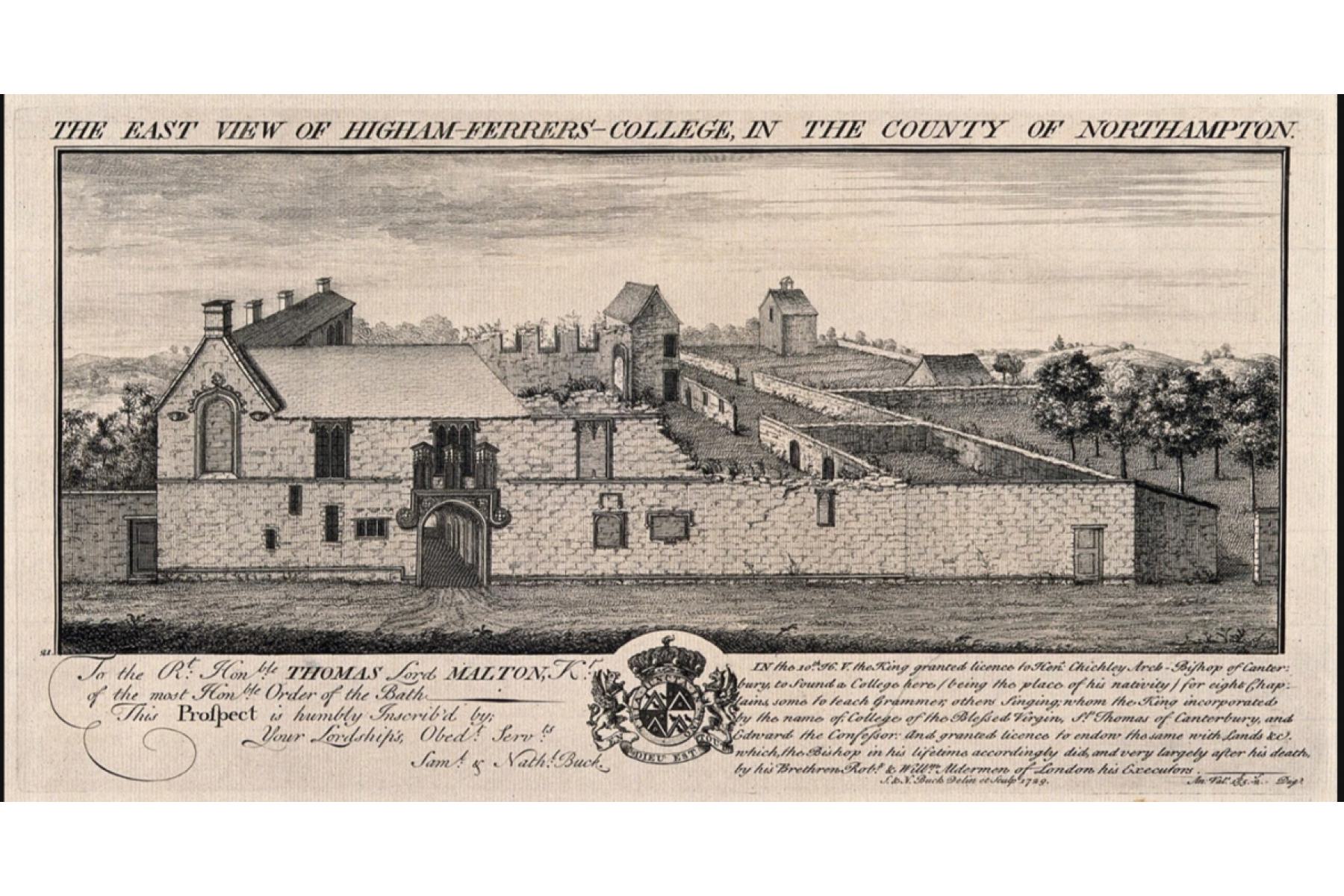
Chichele College in Higham Ferrers built by Henry Chichele, largely demolished by Henry VIII. The College was founded by Henry Chichele in 1422 was for 8 chaplains, one of whom was to be the Master or Warden, 4 Clerks and 6 choristers. One of the Chaplains or Clerks was to be assigned to teach grammar and another singing instruction.
The public foundation of the College took place in St. Mary's Church on 28th August 1425 with Archbishop Chichele present, together with many other notables. John Small was appointed the first Warden, but no other School master was present. On 17th July 1428 the Archdeacon of Northampton who had jurisdiction over schools granted he Warden the power to nominate a new Schoolmaster and pay him out of the College Funds. He also provided that no other school should be set up within 10 or 12 miles, saving the existing schools at Northampton, Rothwell and Oundle. The appointment appears to have been made as William Dyne, Master of the Scholars, took over a tenancy of land for a period of 50 years from Michaelmas 1428 for the benefit of himself and his successors in that office.
In the absence of College Registers it is difficult to follow the history of the College for the next century, save that it continued to appoint the Masters of the School, and the College was surrendered to the Crown on 18th July 1542, and on 17th April 1543 the College lands, but not the buildings, were granted to a Robert Dacres. From this point the buildings fell into disuse and disrepair and seem to have had many different uses including being used as a farm or farm buildings at one point. In 1948 The Ministry of Works took over the College and set about repairing the ravages of several centuries of neglect.
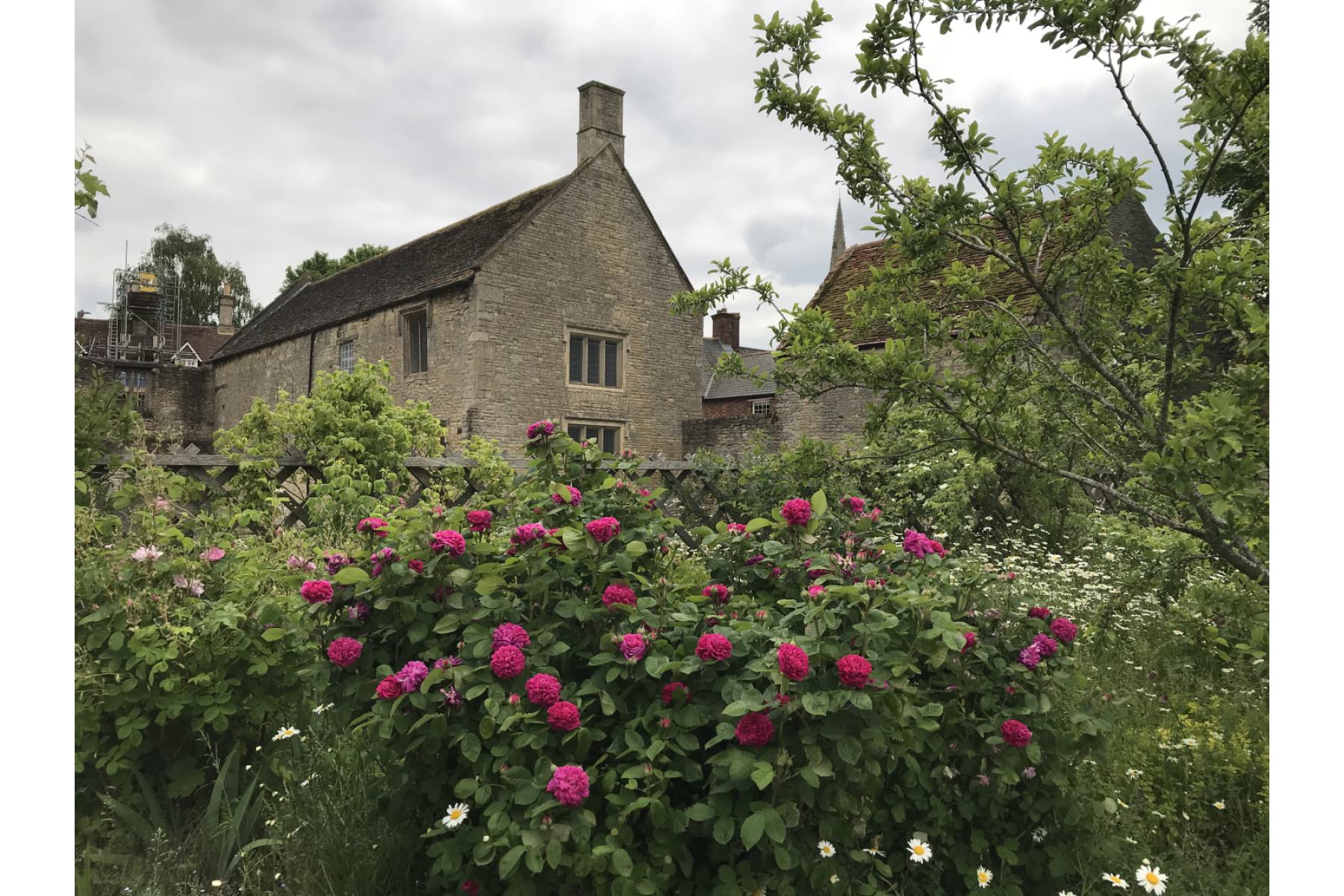
Chichele College is owned by the Duchy of Lancaster and under the guardianship of English Heritage as a Scheduled Monument and free to enter site. It day to day use is managed in partnership with English Heritage with Higham Ferrers Tourism Business and Community Partnership.Today the main building is used throughout the year for art and heritage exhibitions and community events. It is surrounded by gardens cared for by volunteers to include a medieval style garden depicting the life of its residents identified as secular canons 600 years ago and has many stories to tell from the self-sufficient period as a monastery, its life after the dissolution of the monasteries as a public house, the Saracen’s Head, and from Victorian times, a farm. It’s fascinating history continues to emerge with the gifting of a significant find from the neolithic age discovered on the site in the 20th century.
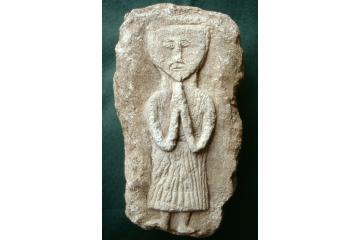
This unique limestone figure, carved in deep relief, shows a man in a long belted robe with hands held in prayer. Among thousands of Medieval objects excavated from the Deserted Medieval Hamlet of West Cotton, Raunds (1985–89), this one stood out and was affectionately nicknamed ‘Norman Morris’ by the archaeological team.
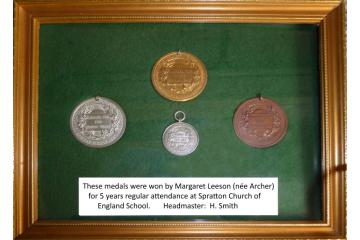
These are the Archer Attendance Award Medals, awarded to Margaret Archer, a pupil at Spratton CE Primary School between approx. 1907 and 1912. There are four medals, awarded for two, three, four and five years good attendance respectively.
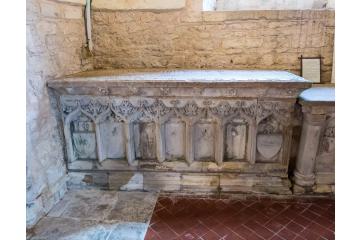
Medieval tomb chest for John Woodville in St. Mary the Virgin church in Grafton Regis. John Woodville was the great-grandfather of Elizabeth Woodville, Queen of England during the 15th century.

 © English Heritage
 © Higham Ferrers Tourism
 ©
Andy Chapman
©
Andy Chapman
 ©
NMAG
©
NMAG
 ©
Grafton Regis Historians
©
Grafton Regis Historians