
Search
-
 ©
NMAG
©
NMAG
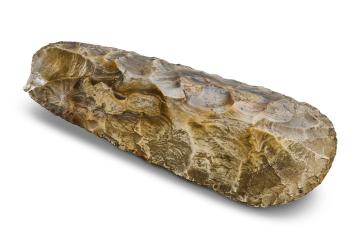
Thorpe (Neolithic) Axe
The Thorpe axe, named after the finder of the Axe in the inter-war years, is a large neolithic flint axe found in Higham Ferrers.
Neolithic 4,100 - 2,500 BCE Geologic to Prehistoric
-
 ©
The Trustees of the British Museum
©
The Trustees of the British Museum
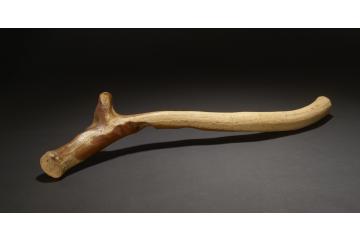
Palaeolithic Lyngby Axe
The only example of a Lyngby axe found in Britain, this multi-purpose tool was used by people in the Upper Palaeolithic (Old Stone Age).
Upper Palaeolithic c. 10,000 years ago Geologic to Prehistoric
-
 ©
NMAG
©
NMAG
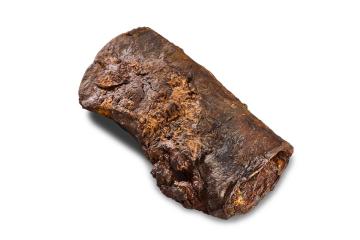
Iron Age Axe Head
A socketed axe made by casting iron in a mould. It probably reflects the transition from bronze to iron metalworking in the early Iron Age.
Iron Age 800 - 43 CE Geologic to Prehistoric
-
 ©
NMAG
©
NMAG
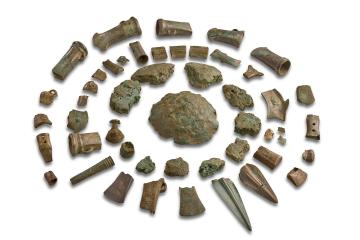
Bronze Age Hoard
A collection of Bronze Age damaged or worn bronze objects including axe heads, sword framents and other bronze pieces found together buried in a hoard.
Bronze Age 3300 - 1200 BCE Geologic to Prehistoric
-
 ©
NMAG
©
NMAG
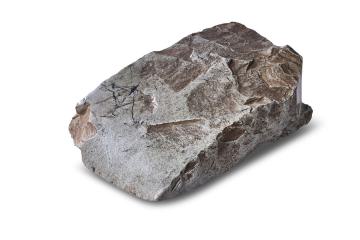
Neolithic Adze
With the start of Neolithic farming came new stone tools. This adze is of a type and stone more commonly found in Denmark.
Neolithic 4,100 - 2,500 BCE Geologic to Prehistoric
-
 ©
English Heritage
©
English Heritage
Chichele College, Higham Ferrers
Chichele College in Higham Ferrers built by Henry Chichele, largely demolished by Henry VIII. The College was founded by Henry Chichele in 1422 was for 8 chaplains, one of whom was to be the Master or Warden, 4 Clerks and 6 choristers. One of the Chaplains or Clerks was to be assigned to teach grammar and another singing instruction.
1422 Medieval to Tudor
-
 ©
NMAG
©
NMAG
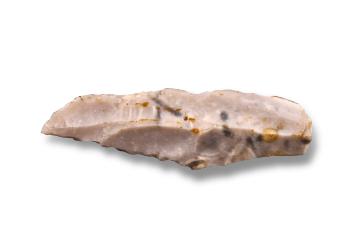
Mesolithic Flint Microlith
Flint microlith - small stone tool made and used by nomadic hunters gatherers living in the Nene Valley during the Middle Stone Age.
Mesolithic c. 9600 - 4000 BCE Geologic to Prehistoric