
Search
-
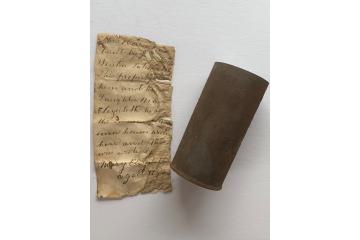
A “Time Capsule” hidden in the early 1860s
This tin can, 10.8cm tall, diameter 4.9cm, was discovered in the 1960s during the demolition of a row of houses in Burton Latimer called Wallis’s or Maycock’s Yard.
1863 Modern
-
 ©
NMAG
©
NMAG
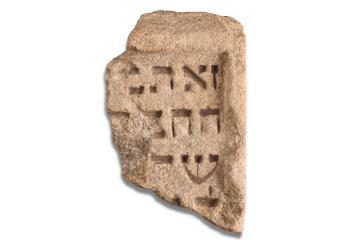
Jewish Tombstone
This Jewish tombstone fragment is one of two surviving medieval inscriptions in England; indicating a thriving medieval Jewish community living in Northampton at the time.
Medieval 1259 - 1290 Medieval to Tudor
-
 ©
NMAG
©
NMAG
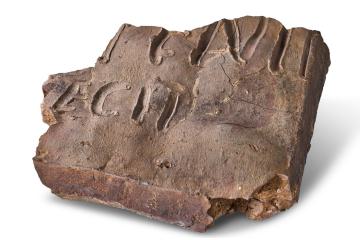
Roman Grafitti Tile
Marked with the personal name of its maker, this tile is evidence of Roman industry in Northamptonshire as well as local literacy.
Roman 200 - 300 CE Roman and Early Medieval
-
 ©
NMAG
©
NMAG
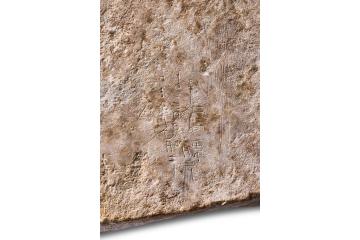
Inscribed Roman Tile with Magical Symbols
An inscribed stone tile found at Towcester dates to the Roman period. The symbols are not Latin or Greek but may be magical symbols.
Roman 43 - 410 CE Roman and Early Medieval
-
 ©
Andy Chapman
©
Andy Chapman
Glazed ceramic shouldered roof tile from St. James' Abbey, Northampton
This is a rare type of medieval ceramic roof tile, replaced in the 13th century by standard rectangular ceramic or nib tiles used until the 20th century. The rarity of these roof tiles and their association with buildings of high status in Northampton, both religious and secular, is of historical and archaeological significance.
1200 Medieval to Tudor
-
 ©
NMAG
©
NMAG
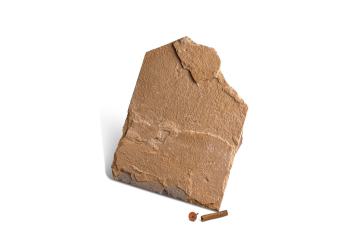
Collyweston Slate
Collyweston slate roof tile. Quarried since Roman tiles and used extensively in the early modern period.
Medieval Medieval to Tudor
-
 ©
NMAG
©
NMAG
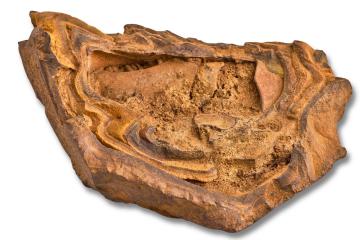
Ironstone
Northamptonshire’s ironstone was formed from iron-rich sediments in the Jurassic period. Quarried since Roman times, ironstone has shaped our landscape, fuelled the county's industry and built our houses.
175 million years ago Geologic to Prehistoric