Skip to main content Accessibility statement

We use cookies on this site to enhance your user experience.

By clicking the Accept button, you agree to us doing so. More info on our cookie policy.

View in timeline

Iron Age Torc

Iron Age 800 BCE - 43 AD Geologic to Prehistoric

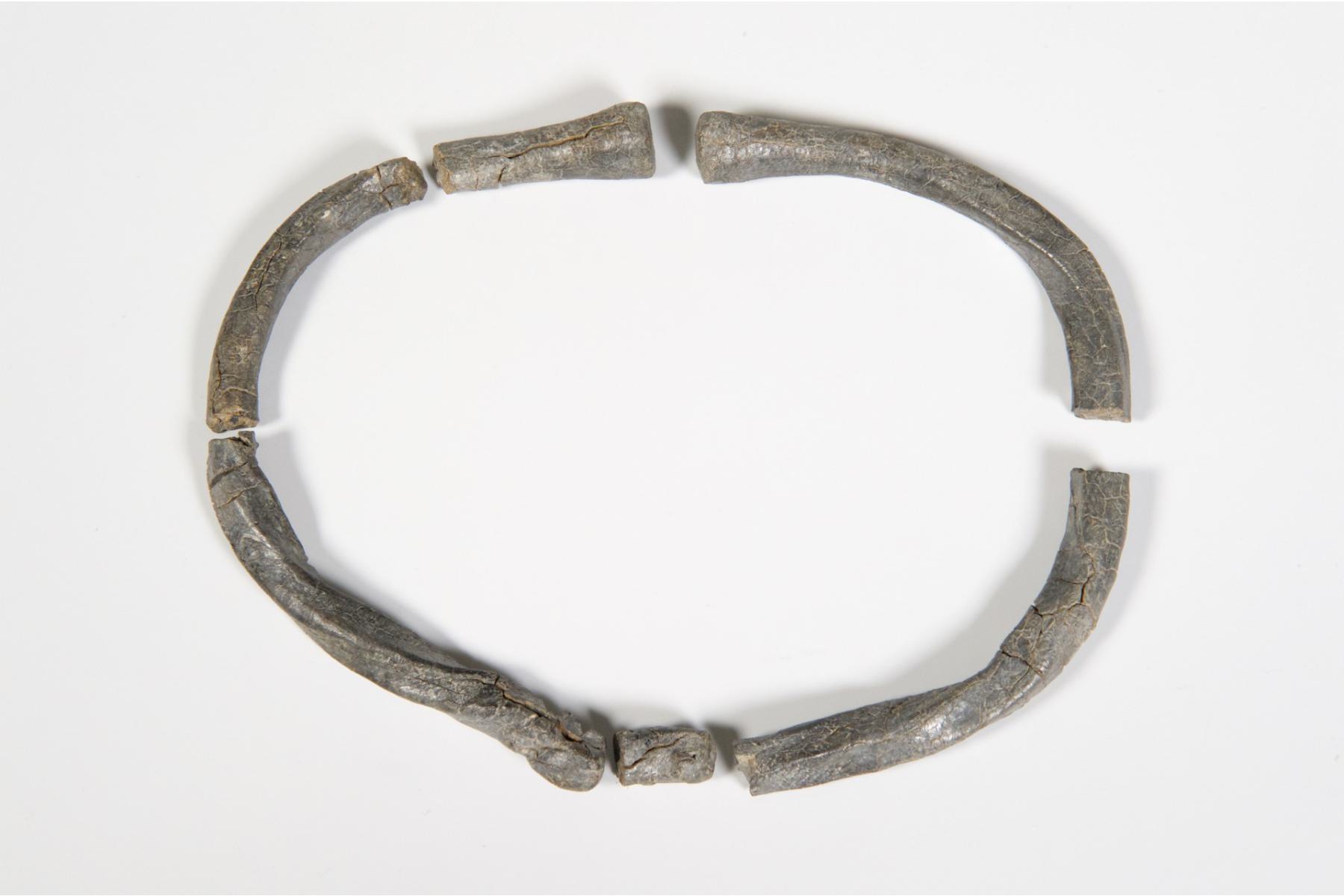
Lead torc worn around the neck of an Iron Age woman. Found during excavation of a rare human Iron Age burial.

Iron Age lead torc © NMAG
Iron Age lead torc
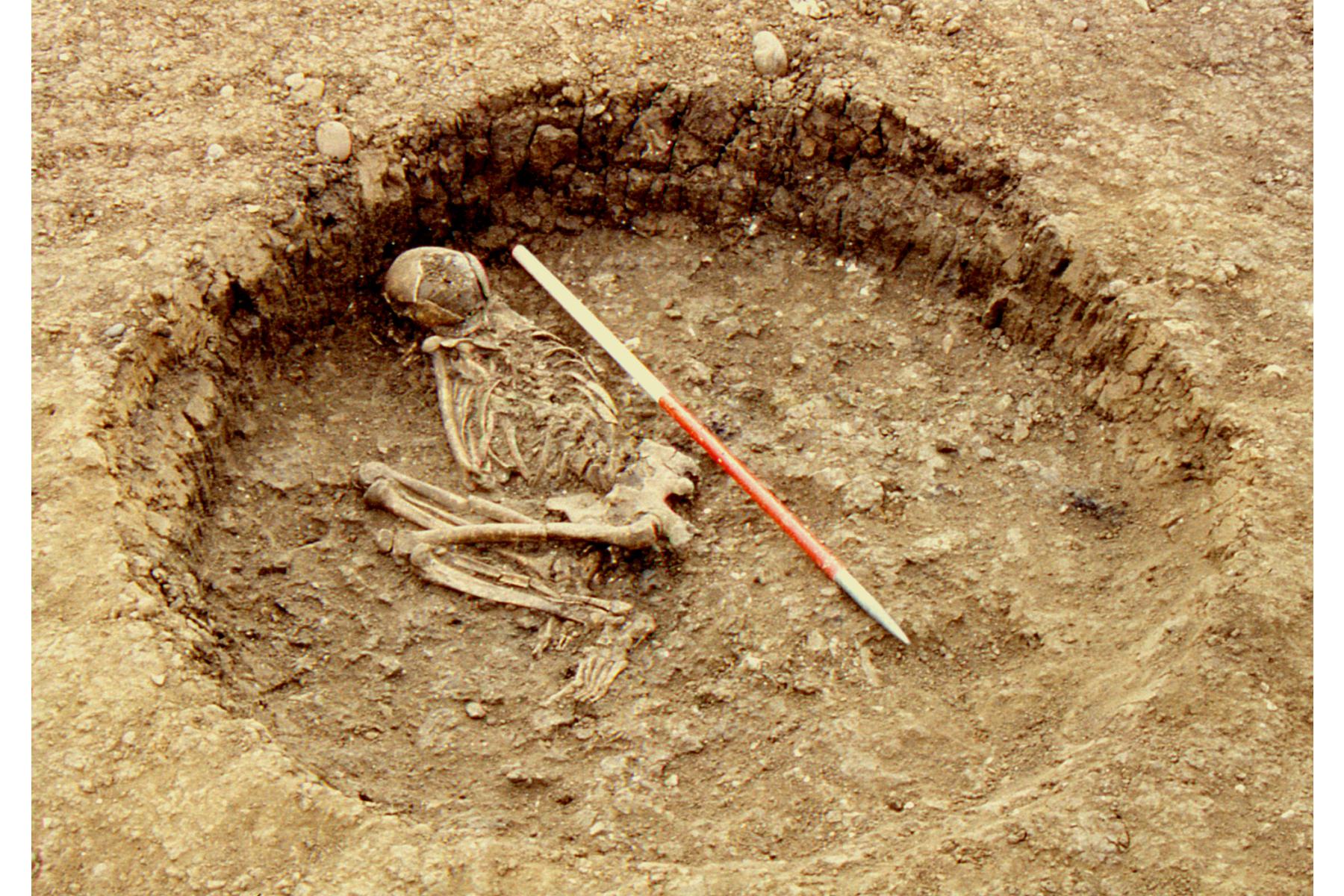
Iron Age Torc burial © Andy Chapman
Iron Age Torc burial

Made of lead, this Iron Age torc was found around the neck of a female skeleton buried at Great Houghton.

The torc is made of lead-tin alloy, perhaps intended to appear like silver. This suggests that the woman who wore it was highly respected within her community and given the torc as a sign of honour. However, her body was not treated with respect and was found face down, pressed tightly against the edge of the grave, with wrists together and knees bent, suggesting that she was bound. As burial of the dead was uncommon in the Iron Age, with most bodies being left to the elements, this grave likely held ritual significance, possibly a human sacrifice, with the torc intended to accompany her into the afterlife.

Number 17 of the objects selected for the A History of Northamptonshire in 100 Objects Exhibition 2025

Great Houghton
Contributed by NMAG

Explore related content (external site)

See our disclaimer

Related objects

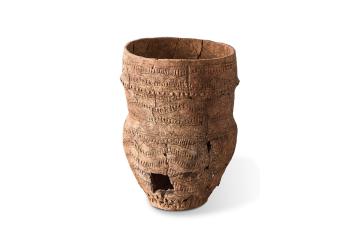
  • Bronze Age pottery vessel or Beaker © NMAG
    Geologic to Prehistoric

    Bronze Age Beaker

    HIghly decorated pottery vessel, known as a Beaker pot. Found as part of a male burial marked by a Bronze Age round barrow.

  • Large painted wood and lead boot advertsing Cottons, boot and shoe manufacturers and retailsers in Oundle. © NMAG
    Modern

    Advertising Boot

    Large advertising boot for Cottons, a family run boot and shoe business located in Oundle from 1877 to the 21st century.

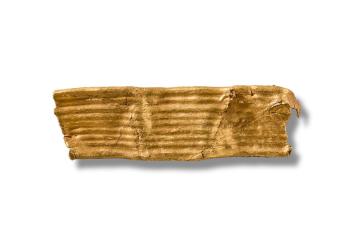
  • Bronze Age decorated gold strip or ribbon © NMAG
    Geologic to Prehistoric

    Early Bronze Age Ribbon

    A short piece of decorated gold strip or ribbon dating to the Bronze Age.

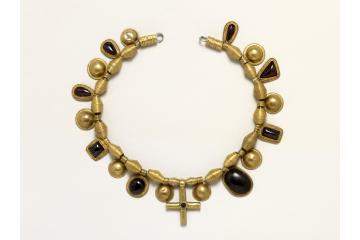
  • Anglo-Saxon gold and garnet pendant necklace. © The Trustees of the British Museum
    Roman and Early Medieval

    Desborough Necklace

    Dating to the late 7th century the Desborough necklace belonged to a high status Anglo-Saxon woman and is likely to be explicity Christian in meaning.