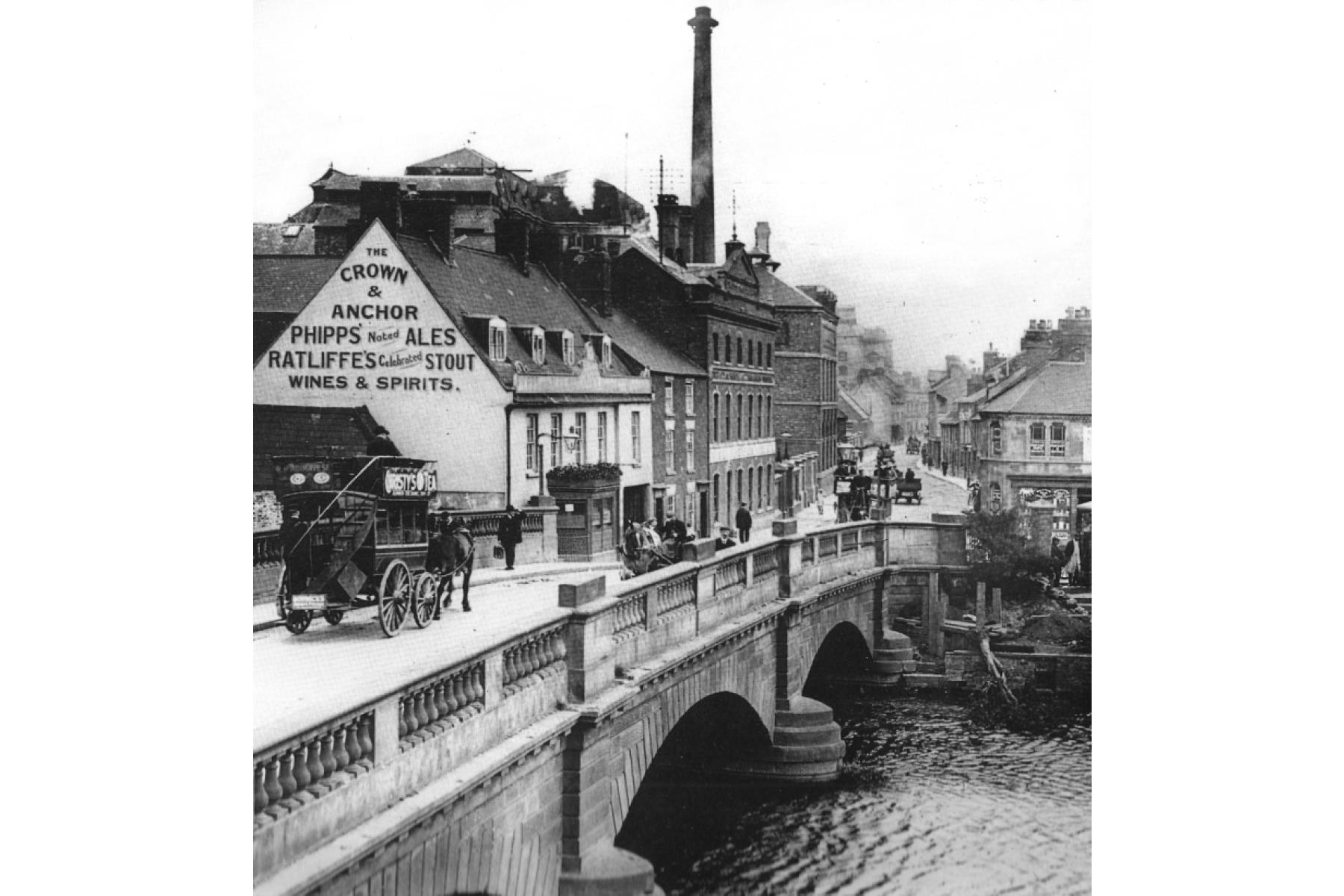
Phipps started in 1801 in Towcester and opened in Northampton’s Bridge Street in 1817. In 1856 a competitor emerged further up Bridge Street, the Northampton Brewery Company. For 97 years these bitter rivals fought each other to be served in the area’s pubs.
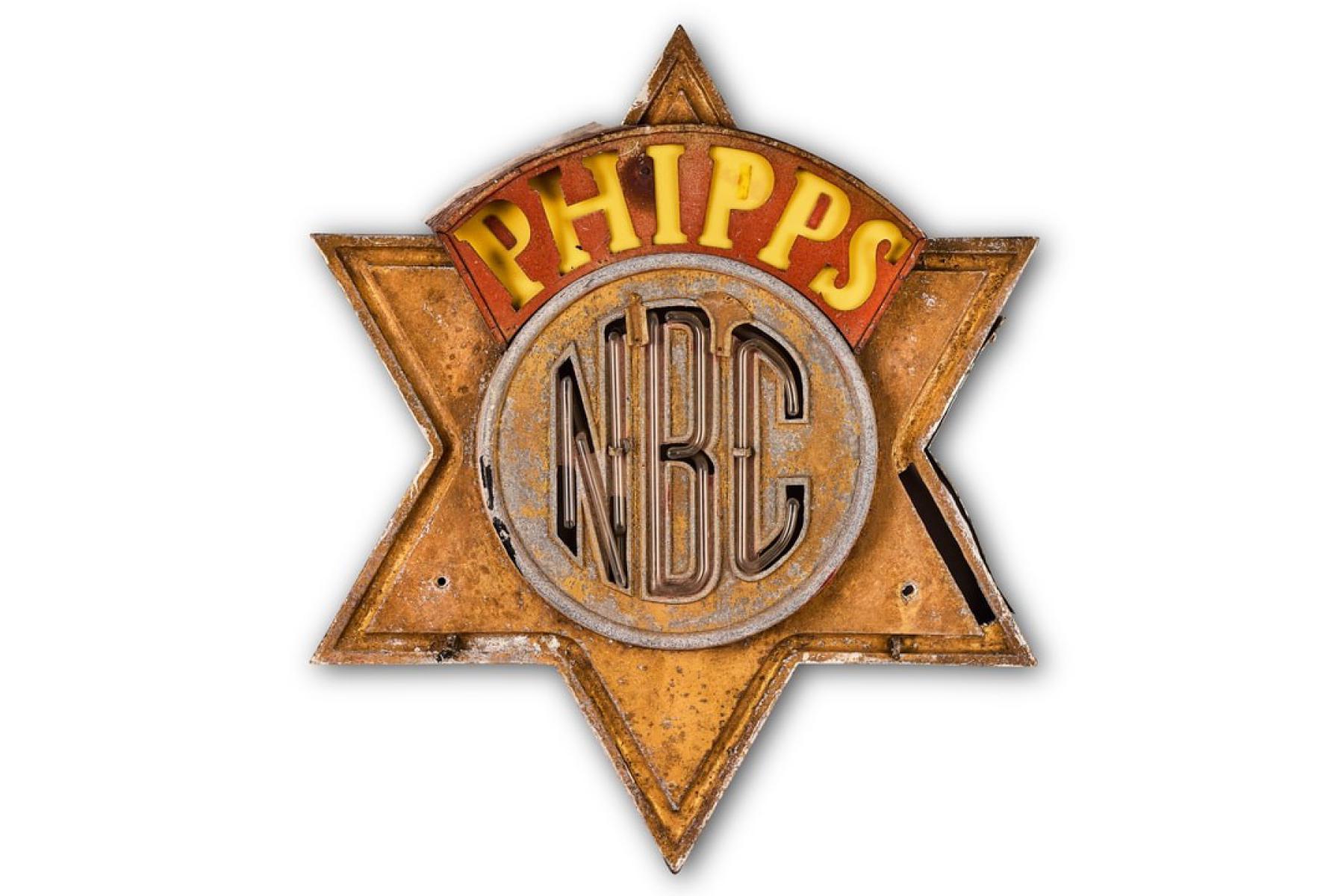
The post war brewing industry began to consolidate as national brands emerged, often through aggressive takeovers. In a bid to retain independence, the two Northampton brewers swallowed their pride and merged in 1957, creating Phipps NBC. This strategy did not succeed, as London based keg kings Watney Mann took control in 1960.
Watneys arrived on Bridge Street with hollow assurances that local brewing traditions would be respected, the same words used at eight other breweries absorbed around Britain. All of these breweries were closed between the 1960s to the 1990s. Today the only Watney Mann brewery site still operating is the former Phipps Bridge Street Brewery, now Carlsberg.
The Phipps company continued as a pub chain within Watneys, ending up as a subsidiary of Scottish & Newcastle at the turn of the millennium. In 2004 the Northampton-based management and the founding Phipps family brought the company back into independence, reviving the legendary IPA in 2008 and restoring the 1884 Albion Brewery in 2014.
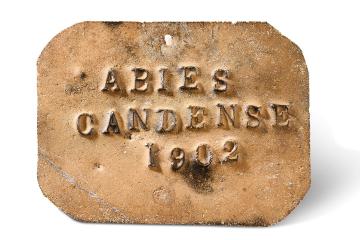
Number 92 of the objects selected for the A History of Northamptonshire in 100 Objects exhibition 2025.
Northampton
Contributed by Alaric Neville, MD Phipps Northampton Brewery Co.

 © NMAG
 © NMAG
 ©
NMAG
©
NMAG
 ©
NMAG
©
NMAG
 ©
NMAG
©
NMAG
 ©
NMAG
©
NMAG