
Search
-
 ©
NMAG
©
NMAG
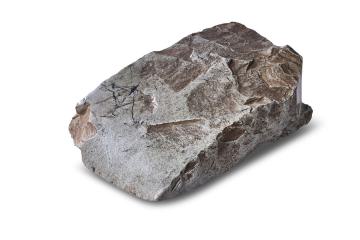
Neolithic Adze
With the start of Neolithic farming came new stone tools. This adze is of a type and stone more commonly found in Denmark.
Neolithic 4,100 - 2,500 BCE Geologic to Prehistoric
-
 ©
NMAG
©
NMAG
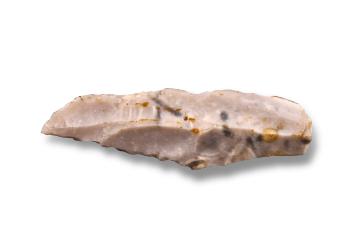
Mesolithic Flint Microlith
Flint microlith - small stone tool made and used by nomadic hunters gatherers living in the Nene Valley during the Middle Stone Age.
Mesolithic c. 9600 - 4000 BCE Geologic to Prehistoric
-
 ©
NMAG
©
NMAG
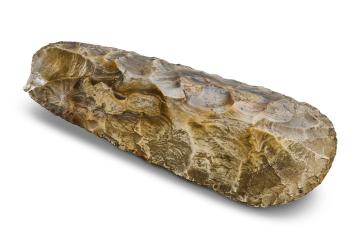
Thorpe (Neolithic) Axe
The Thorpe axe, named after the finder of the Axe in the inter-war years, is a large neolithic flint axe found in Higham Ferrers.
Neolithic 4,100 - 2,500 BCE Geologic to Prehistoric
-
 ©
The Trustees of the British Museum
©
The Trustees of the British Museum
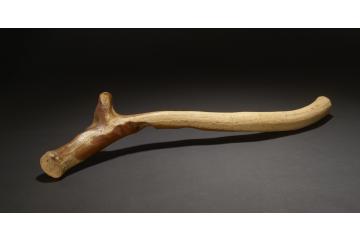
Palaeolithic Lyngby Axe
The only example of a Lyngby axe found in Britain, this multi-purpose tool was used by people in the Upper Palaeolithic (Old Stone Age).
Upper Palaeolithic c. 10,000 years ago Geologic to Prehistoric
-
 ©
NMAG
©
NMAG
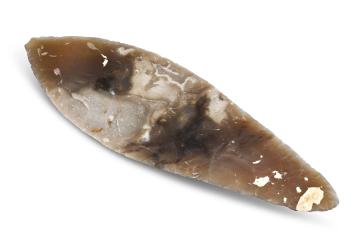
Bronze Age Flint Dagger
This flint dagger was found in a male burial in a barrow along with other grave goods. It had never been used so may have been an ornamental or ritual piece.
Early Bronze Age 3300 - 2100 BCE Geologic to Prehistoric
-
 ©
NMAG
©
NMAG
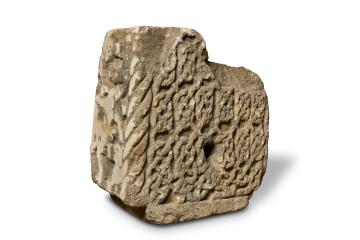
Anglo-Saxon Stone
Carved with typically Anglo-Scandinavian interlace, this stone was found reused in the Norman church of St Peters and may indicate an earlier 10th century church.
Anglo-Saxon 10th century (900s) Roman and Early Medieval
-
 ©
Friends of St. Peter's Marefair Northampton by Rafal
©
Friends of St. Peter's Marefair Northampton by Rafal
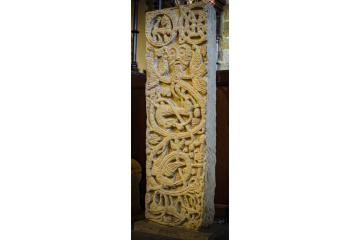
Elaborately carved stone grave slab - St Peters, Marefair, Northampton
This 12th century grave slab is located in the church of St Peter, Marefair in Northampton. It is thought to have been carved by the same sculptors as the beautifully preserved set of Norman capitals (headings of columns) in the church.
1150 Medieval to Tudor
-
 ©
NMAG
©
NMAG
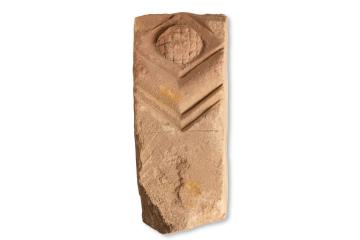
Northampton Castle Stone
This carved piece of sandstone comes from Northampton Castle, one of the most significant castles in medieval England.
Norman 11th century Medieval to Tudor
-
 ©
Andy Chapman
©
Andy Chapman
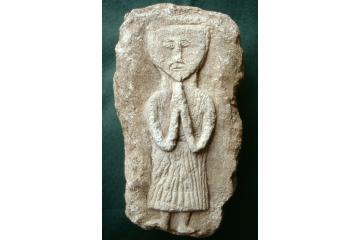
“Norman Morris” - Carved Stone figure from West Cotton,
This unique limestone figure, carved in deep relief, shows a man in a long belted robe with hands held in prayer. Among thousands of Medieval objects excavated from the Deserted Medieval Hamlet of West Cotton, Raunds (1985–89), this one stood out and was affectionately nicknamed ‘Norman Morris’ by the archaeological team.
Mid-13th century Medieval to Tudor
-
 ©
NMAG
©
NMAG
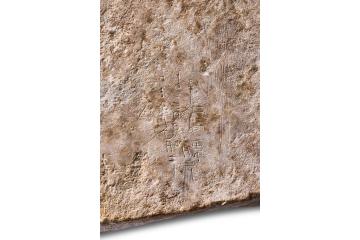
Inscribed Roman Tile with Magical Symbols
An inscribed stone tile found at Towcester dates to the Roman period. The symbols are not Latin or Greek but may be magical symbols.
Roman 43 - 410 CE Roman and Early Medieval
-
 ©
NMAG
©
NMAG
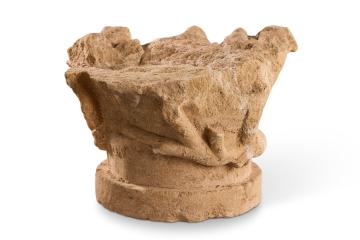
Eleanor Cross
This 13th century fragment of carved stone comes from the medieval cross located near Delapré Abbey, one of just three surviving Eleanor Crosses.
Medieval 1291 - 1295 Medieval to Tudor
-
 ©
NMAG
©
NMAG
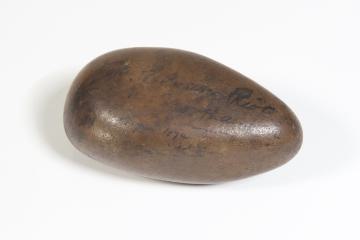
Bradlaugh Riot Cobblestone
Cobblestone from the Market Square, Northampton thrown during the Bradlaugh Riots of 1874.
Victorian 1874 Modern
-
 ©
UNAS
©
UNAS
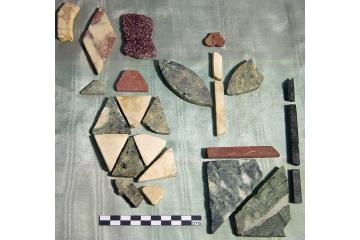
Mediterranean marble used as decorative inlays on luxurious Roman furniture
These marble pieces were excavated at the Roman villa at Piddington, from a third or fourth century rubbish heap.
3rd century Roman and Early Medieval
-
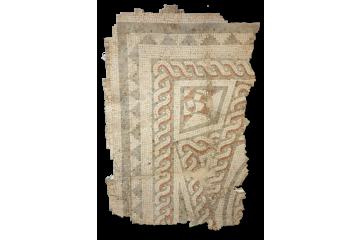
Roman Mosaic Floor Fragment
This fragment of Roman mosaic flooring is on display in Daventry Museum. It is part of a larger decorative floor, discovered in 1823 on Borough Hill, Daventry by historian George Baker, with a full excavation carried out in 1852 by Beriah Botfield, MP.
Early Roman Roman and Early Medieval
-
 ©
NMAG
©
NMAG
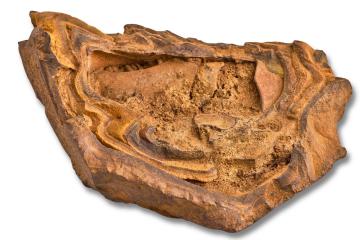
Ironstone
Northamptonshire’s ironstone was formed from iron-rich sediments in the Jurassic period. Quarried since Roman times, ironstone has shaped our landscape, fuelled the county's industry and built our houses.
175 million years ago Geologic to Prehistoric